
Leading Gutter Replacement Options To Improve Your Home’s Drainage
Explore top-rated gutter products that enhance water flow management and protect your property from water damage.
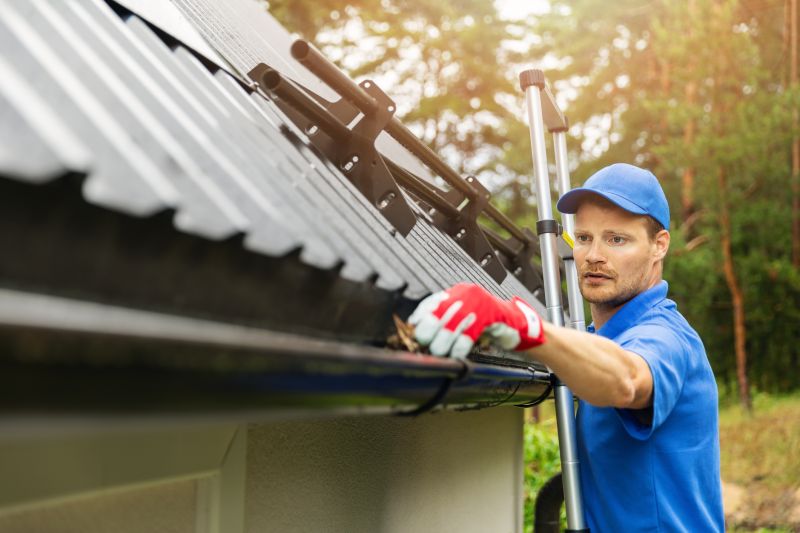 Replacing gutters is a vital maintenance task that helps protect a building's foundation, walls, and landscaping from water damage. When selecting products for gutter replacement, it is important to consider durability, ease of installation, and compatibility with existing roofing systems. Gutter systems come in various materials and styles, each suited for different needs and preferences. Properly chosen components can enhance the functionality and longevity of a gutter system, ensuring effective water diversion during heavy rainfall.
Top Overall Option
Aluminum Gutter System
An aluminum gutter system offers a versatile and durable solution for gutter replacements. Known for its resistance to rust and corrosion, aluminum is lightweight, making installation easier for both DIY enthusiasts and professionals. Its flexibility allows for custom fitting around complex rooflines, and it generally requires minimal maintenance over time. Aluminum gutters can be painted to match the aesthetic of the building, providing both functionality and visual appeal.
Types of Products For Gutter Replacements
Seamless Aluminum Gutters
Designed for a smooth appearance and fewer joints, seamless aluminum gutters help reduce leaks and improve water flow.
Vinyl Gutters
Affordable and lightweight, vinyl gutters are easy to install and require minimal maintenance, suitable for DIY projects.
Steel Gutters
Heavy-duty steel gutters provide enhanced durability and resistance to impact, ideal for areas with severe weather.
Copper Gutters
Copper gutters add a distinctive aesthetic and develop a natural patina over time, offering a long-lasting option.
Snap-On Gutter Systems
These systems feature interlocking components for quick and easy installation, often suitable for DIYers.
Fascia Mount Gutter Brackets
Specialized brackets that attach directly to the fascia board, providing secure support for the gutters.
Rain Chain Alternatives
Decorative alternatives to traditional downspouts that channel water visually and functionally.
Gutter Guards
Protective covers that prevent debris accumulation, reducing maintenance needs.
Downspout Extensions
Components that extend the reach of downspouts to direct water further away from the foundation.
Corner Pieces
Connectors that facilitate the transition of gutters around building corners for a seamless look.
Gutter Sealant
Specialized sealants used to ensure watertight joints and prevent leaks.
Gutter Hangers
Supports that securely attach gutters to the roofline or fascia, maintaining proper alignment.
Splash Blocks
Sloped blocks placed at the base of downspouts to direct water away from the foundation.
Gutter Cleaning Tools
Tools designed for maintenance and cleaning of gutters to ensure optimal performance.
Popular Choices
Widely used for their low maintenance and customizable lengths, these gutters are popular among homeowners.
A cost-effective option favored for easy installation and resistance to rust and corrosion.
Known for durability, steel gutters are often chosen for their robustness in harsh weather conditions.
Popular for reducing debris buildup, gutter guards help minimize cleaning frequency.
Frequently selected to improve water diversion and protect landscaping and foundations.
Preferred for their secure attachment and clean appearance around the roofline.
Essential for seamless gutter transitions around building corners, widely used in various installations.
Commonly used to ensure tight seals at joints and prevent leaks in replacement systems.
Popular for their ease of installation and reliable support for various gutter types.
Chosen for their functional and decorative role in directing water away from the foundation.
Gutter replacements often involve a combination of components including gutters, downspouts, brackets, and sealants. Modern materials such as aluminum, vinyl, and steel offer different advantages in terms of weight, corrosion resistance, and cost. Aluminum gutters are popular for their lightweight and rust-resistant qualities, while vinyl options are appreciated for ease of installation and affordability. Steel gutters tend to be more durable and suitable for areas with harsh weather conditions but may require additional maintenance.
Installation techniques vary based on the type of gutter system selected. Some systems are designed for DIY installation, featuring snap-on or interlocking components, whereas others might require professional assistance for precise fitting and sealing. Proper measurement and planning are crucial to ensure that the new gutter system effectively channels water away from the building's foundation, preventing potential water damage and structural issues. Regular maintenance, including cleaning and inspections, can prolong the lifespan of any gutter system and maintain optimal performance.
Key Buying Considerations
- Material durability and resistance to corrosion or impact
- Compatibility with existing roof and fascia structures
- Ease of installation, especially for DIY projects
- Proper sizing to match roof runoff and building dimensions
- Aesthetic appearance and color options
- Maintenance requirements and long-term upkeep
- Availability of accessories such as brackets, sealants, and extensions
- Weather conditions typical to the area and system resilience
- Cost and value for the investment
- Warranty and manufacturer support
- Compatibility with gutter guards or debris protection systems
- Seamless vs. sectional design preferences
- Ease of cleaning and access points
- Environmental factors like wind or snow loads
- Local building codes and regulations
This content may contain affiliate links. Purchasing through these links may earn a commission at no additional cost to you.